Buying guide
Can Americans Buy Property in Mexico? The 2026 Guide for Foreign Buyers
Yes, foreigners can buy property in Mexico. Here is how it works in the Riviera Maya: the restricted zone, the fideicomiso, the step-by-step buying process, costs and common mistakes.
 By Pierre, founder of HolaMaya · November 3, 2026 · 4 min read
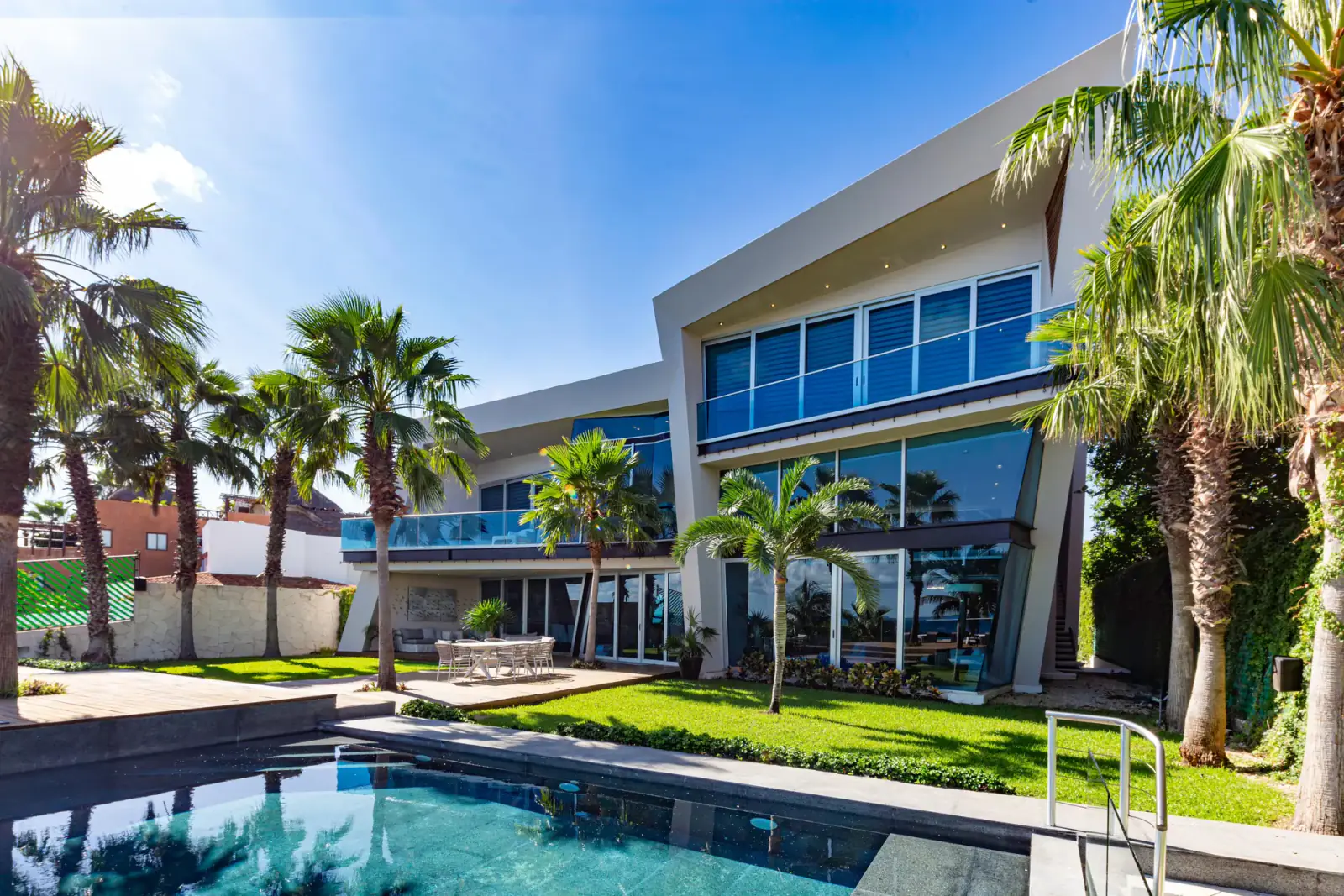
Short answer: yes. Americans, Canadians, Europeans and other foreigners can legally buy property in Mexico, including on the Caribbean coast in Playa del Carmen, Tulum and Cancún. Thousands of international buyers do it every year. What changes on the coast is how you hold the title, not whether you can own.
This guide explains the rules, the buying process step by step, what it costs and the mistakes we see most often.
The restricted zone and why it matters
Mexico's Constitution (Article 27) defines a restricted zone: land within 100 km of an international border and within 50 km of the coastline. Foreigners cannot hold direct title to residential property inside that zone.
The whole Riviera Maya, from Cancún to Tulum, is inside the restricted zone. That sounds alarming, but it simply means foreigners use one of two legal structures:
- A fideicomiso (bank trust) for residential property. A Mexican bank holds the title on your behalf and you are the beneficiary with full rights to use, rent, sell, mortgage and bequeath the property.
- A Mexican corporation for commercial or investment activity. The company can hold title directly, but it comes with accounting and tax obligations.
Outside the restricted zone (for example in Mérida or Mexico City), foreigners can hold title directly, known as escritura in their own name.
For residential buyers in the Riviera Maya, the fideicomiso is the standard route. We explain it in detail in our guide Fideicomiso explained.
Step by step: how buying works
1. Define your goals and budget
Living full time, a holiday home or a rental investment are three different searches. Decide on your priorities (beach access, walkability, rental rules, budget) and remember to add 5% to 8% for closing costs on top of the price.
2. Choose the property and make an offer
Once you have a shortlist, your agent prepares a written offer (oferta de compra) with the price, deposit, timeline and conditions. For pre-sale projects you usually sign a reservation and pay a reservation fee instead.
3. Sign the purchase agreement and pay the deposit
The next document is the purchase agreement (contrato de promesa de compraventa). It sets the final terms and the deposit, often around 10% for resale properties. Pre-sale developments have their own payment plans, typically a down payment followed by instalments during construction.
4. Due diligence
Before closing, the notary and your advisors verify that the seller really owns the property and that it is free of debts. This includes:
- A title search at the Public Registry of Property.
- A certificate of no liens (certificado de libertad de gravámenes).
- Proof that property tax (predial) and water bills are paid.
- The condominium regime and bylaws for condos, including any rules on short-term rentals.
- For pre-sale projects: land title, construction licence, land-use permit and environmental approvals.
5. Set up the fideicomiso
The bank requests a permit from the Ministry of Foreign Affairs (SRE) and prepares the trust. This runs in parallel with due diligence and usually does not delay the purchase.
6. Closing at the notary
In Mexico the notario público is a government-appointed lawyer who formalises the sale. You (or your representative with a power of attorney) sign the deed, the funds are released, and the notary registers the new deed at the Public Registry. Funds are normally wired: Mexican anti-money-laundering rules limit cash payments in real estate.
A typical resale closing takes around 30 to 60 days from signed agreement to deed, depending on the bank and the documents.
How much does it cost?
On top of the price, budget for:
- Acquisition tax (ISAI), set by each municipality and often around 2% to 3% of the value.
- Notary fees and registry fees.
- Appraisal (avalúo).
- Fideicomiso set-up and an annual trust fee to the bank.
All together, closing costs usually land between 5% and 8% of the purchase price. Our article on closing costs and property taxes in Mexico breaks them down.
Can you get a mortgage?
Most foreign buyers in the Riviera Maya pay cash or use developer financing on pre-sale projects. Some cross-border lenders offer mortgages to US and Canadian buyers, and Mexican banks lend to residents, but rates are generally higher than in the US or Canada. Ask us which options are currently available for your profile.
Common mistakes to avoid
- Skipping due diligence because a deal looks good. Always verify title and liens through the notary.
- Ignoring the condo bylaws. Some buildings restrict short-term rentals, which changes the investment case.
- Choosing a developer on renders alone. Visit delivered projects by the same developer and check their permits.
- Forgetting the exit. Think about resale demand and the capital gains tax you may owe when you sell.
- Paying deposits into personal accounts. Payments should go to the developer's company account, the notary or a recognised escrow.
FAQ
Do I need to live in Mexico to buy? No. You can buy as a tourist and sign remotely with a power of attorney. Residency is only needed if you plan to stay longer than a tourist permit allows.
Can I rent my property out? Yes, subject to the building's bylaws. Rental income is taxable in Mexico; platforms such as Airbnb withhold part of the tax automatically.
Is buying through a fideicomiso safe? Yes. It is a long-established structure regulated by Mexican law, and the bank is legally bound to follow your instructions as beneficiary.
This guide is general information, not legal or tax advice. Rules and fees change, so confirm the details of your purchase with a notary and an accountant. HolaMaya works with trusted local professionals and can introduce you.
Ready to start? Browse condos for sale or explore Playa del Carmen real estate.